This Billion-Dollar Startup CEO Has Been Using an ‘Insane Productivity Hack’ for the Past 5 Years
The simple hack involves calculating an alignment score, or a measure of how much control he had over his time in a given week.
Key Takeaways
- Superhuman CEO Shishir Mehrotra tracks how much time he spends per week on tasks from his to-do list (what he plans to do) versus his email (what comes up throughout the week).
- The final percentage of tasks that came from his to-do list is his “alignment score,” or how much control he had over his time in a week.
- He has been calculating the score every week for over five years, calling it an “insane productivity hack.”
Shishir Mehrotra runs a productivity business, but his real challenge is keeping himself aligned with his priorities. To that end, he has spent the past five years calculating a weekly “alignment score” that quantifies how well his time matched his goals.
Mehrotra is the CEO of Superhuman, a group of four AI productivity tools, including collaboration platform Coda, AI email client Superhuman Mail, AI assistant Superhuman Go and AI writing editor Grammarly. Grammarly’s last public valuation was $13 billion in late 2021 after a $200 million funding round. The service hit annual revenue of more than $700 million last year, with more than 40 million daily users.
Mehrotra’s “insane productivity hack,” as he called it in a LinkedIn post last year, is to give himself an alignment score that tracks how much of his week goes into what he planned versus what just happened to him. He has been calculating this percentage every week for over five years.
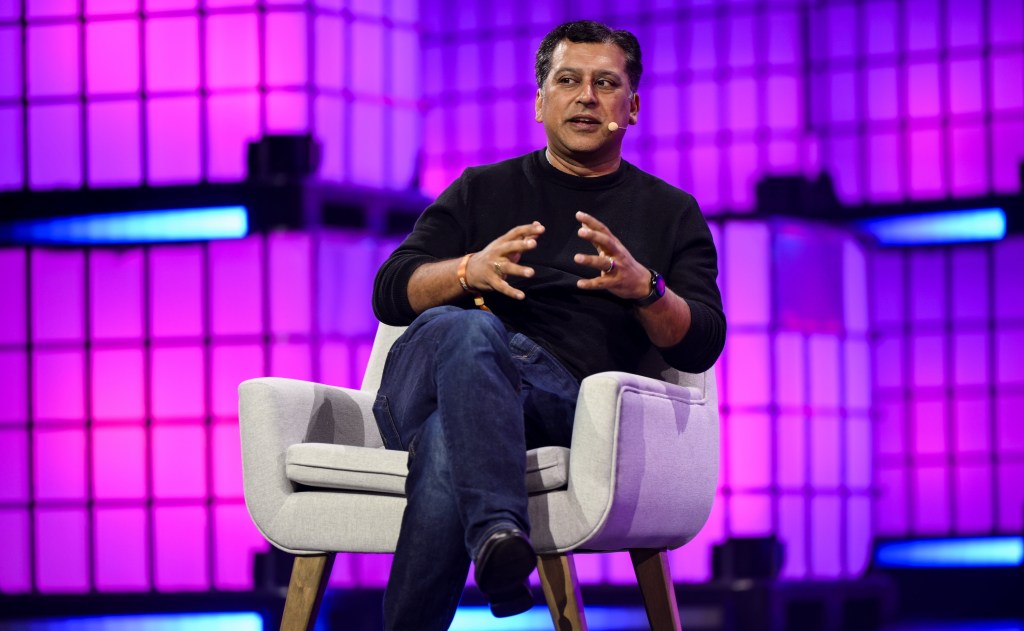
“Giving yourself a weekly success score doesn’t work for everyone, but it’s been an insane productivity hack for me because it gives visibility into my work AND gives me something to improve upon,” Mehrotra wrote in the LinkedIn post.
How to calculate your alignment score
Mehrotra figures out the score by looking at the overlap between three buckets: email (what others want from him), his to-do list (what he wants to do) and his calendar (what he actually did).
He first works through his emails and identifies which ones have actions. Then he turns the actions into time-specific blocks on his calendar. He also adds items from his to-do list to his calendar.
At the end of the week, he generates a bar chart showing him which actions on his calendar came from his email and which ones came from his to-do list.
The final percentage of tasks that came from his to-do list is his alignment score, or how much control he had over his time. The score represents “the percentage of time spent on tasks I actually PLANNED to do,” he wrote in the LinkedIn post.
He considers 50% a “high” alignment score and dismisses a score of 100% as unrealistic because important tasks usually emerge suddenly via email throughout the week.
The framework behind it
Mehrotra’s system comes from a framework by Des Traynor, the co-founder of AI customer service platform Intercom. Traynor argued that emails, to-do lists and calendars are usually misaligned, so people prioritize other people’s agendas over their own.
Mehrotra uses this lens to force those three circles to overlap more each week, so his actual time (calendar) gradually matches his own priorities (to‑do list) even while he handles a flood of incoming demands (email).
The end goal? “Stop letting everyone else control your time,” Mehrotra wrote in the LinkedIn post.
Sign up for the Entrepreneur Daily newsletter to get the news and resources you need to know today to help you run your business better. Get it in your inbox.
Key Takeaways
- Superhuman CEO Shishir Mehrotra tracks how much time he spends per week on tasks from his to-do list (what he plans to do) versus his email (what comes up throughout the week).
- The final percentage of tasks that came from his to-do list is his “alignment score,” or how much control he had over his time in a week.
- He has been calculating the score every week for over five years, calling it an “insane productivity hack.”
Shishir Mehrotra runs a productivity business, but his real challenge is keeping himself aligned with his priorities. To that end, he has spent the past five years calculating a weekly “alignment score” that quantifies how well his time matched his goals.
Mehrotra is the CEO of Superhuman, a group of four AI productivity tools, including collaboration platform Coda, AI email client Superhuman Mail, AI assistant Superhuman Go and AI writing editor Grammarly. Grammarly’s last public valuation was $13 billion in late 2021 after a $200 million funding round. The service hit annual revenue of more than $700 million last year, with more than 40 million daily users.