Amazon Is Testing 30-Minute Delivery. Should Walmart Be Worried?
A pilot progam in select cities ships diapers and electronics at breakneck speed.
Amazon believes consumers have a need for speed. The company just started testing 30-minute delivery in Seattle and Philadelphia through a pilot called Amazon Now. It’s shipping thousands of everyday items — from diapers to electronics — in half an hour or less.
Workers pick and pack items at nearby facilities before Amazon Flex drivers whisk orders away, aiming to leave within two minutes. It’s fast, sure, but Walmart is still in the lead. With more than 4,600 stores, Walmart can reach 95 percent of U.S. households in under three hours, and some orders arrive in minutes.
Analysts say Amazon’s ultrafast strategy may not be realistic. The infrastructure required, including more warehouses, more drivers, and more inventory, could increase. At a certain point, consumers may prefer savings over a sprint.
Chick-fil-A Serves Up Chicken and Waffle Sandwiches—But Only in Two Cities
Chick-fil-A
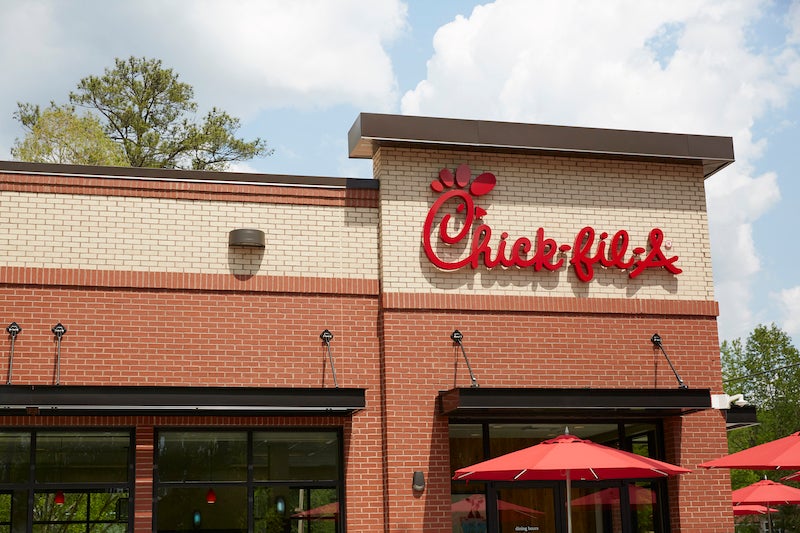
Customers asked for it, and they got it. Chick-fil-A is testing a chicken and waffle sandwich. The new item swaps the classic bun for maple-flavored waffles and adds fried chicken, honey butter and bacon, plus a cup of syrup for dipping. There’s also a spicy version.
For now, only two cities are getting the test run. Baltimore will offer both breakfast and all-day sandwiches, while San Antonio will offer breakfast only. Prices range from about $5 for the breakfast version to nearly $9 for the spicy all-day option.
Early reviews are enthusiastic. TikTok users praised the sweet-and-savory combo, though some wished the waffles were crispier.
Macy’s Just Had Its Best Quarter in Years. Don’t Throw a Parade Just Yet.

Adam Gray/Bloomberg via Getty Images
Macy’s shocked Wall Street with its strongest sales growth in three years and raised its full-year outlook after beating earnings estimates for the third straight quarter. The retailer credits sharper merchandising, increased staffing, and redesigned “First 50” stores — a strategy now rolling out to more than a third of its remaining locations.
But the celebration comes with a warning. Macy’s says consumers are growing more selective, and higher tariffs will keep pressuring prices heading into the holiday season. The company has already shuttered dozens of underperforming stores and expects more closures as part of its turnaround.
Despite the good news, investors weren’t impressed. Macy’s shares fell in premarket trading. CEO Tony Spring said the company is taking a cautious view of the holidays. The brand is betting that better stores and broader price points can win shoppers back.
Gas Dips to $2.99 Nationwide. Trump Says Prices Will Continue to Slide.
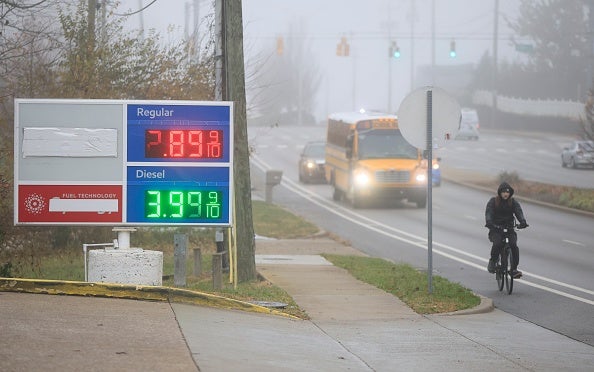
Photo by Jeremy Hogan/Getty Images
For the first time in more than four years, gas prices have dropped below $3 a gallon, according to AAA. The national average for regular gas hit $2.99, with several Southern and Midwestern states seeing prices as low as $2.40.
President Donald Trump says the slide isn’t over. He predicted prices could fall to $2 a gallon and possibly “crack” that level, crediting increased domestic production and a push to rebuild the Strategic Petroleum Reserve.
Energy officials argue that cheaper fuel will put more money back into consumers’ pockets, though critics warn volatile markets could quickly reverse course.
What’s the Most Popular New College Major? AI

Photo by Maskot
AI isn’t just taking over the business world; it’s now Big Man on Campus. Universities across the country are launching AI majors to meet the huge demand from students who want to build the next big thing.
Schools like the University of South Florida, UC San Diego and SUNY Buffalo have rolled out new AI programs. MIT’s “AI and decision-making” major has already become the institution’s second-most-popular field of study. More than 3,000 students enrolled in South Florida’s brand-new AI college this semester alone.
The boom comes as tech giants pour billions into AI, and students see the field as a faster path to jobs than traditional computer science.
Amazon believes consumers have a need for speed. The company just started testing 30-minute delivery in Seattle and Philadelphia through a pilot called Amazon Now. It’s shipping thousands of everyday items — from diapers to electronics — in half an hour or less.
Workers pick and pack items at nearby facilities before Amazon Flex drivers whisk orders away, aiming to leave within two minutes. It’s fast, sure, but Walmart is still in the lead. With more than 4,600 stores, Walmart can reach 95 percent of U.S. households in under three hours, and some orders arrive in minutes.
Analysts say Amazon’s ultrafast strategy may not be realistic. The infrastructure required, including more warehouses, more drivers, and more inventory, could increase. At a certain point, consumers may prefer savings over a sprint.