Founders Who Do This One Thing Are Most Likely to Win Over Investors
Jenny Fielding is a VC who has met with entrepreneurs all over the world. She says the founders who make the best impression tend to have something in common.
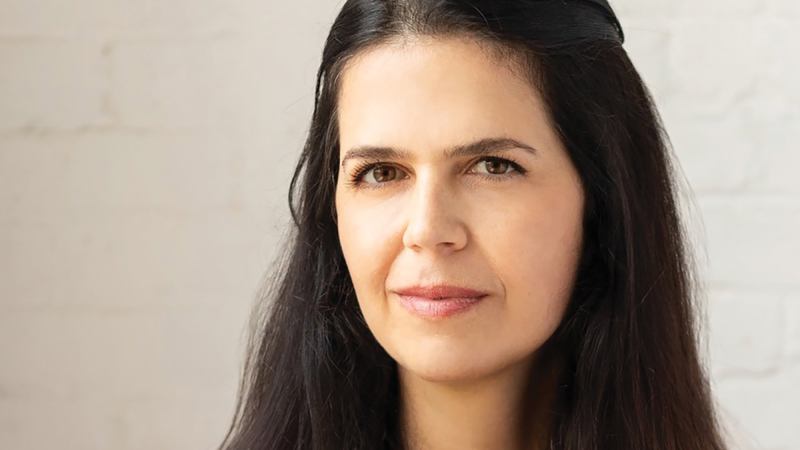
Courtesy of AngelList
This story appears in the November 2025 issue of Entrepreneur. Subscribe »
Entering into the world of venture capital for the first time can be overwhelming. How do you show investors you have what they’re looking for? What even are they looking for? Jenny Fielding knows. She is a cofounder of Everywhere Ventures, a globally oriented seed and pre-seed fund backing high-potential founders, and she has a wealth of experience from the other side of the conference table.
Here, Fielding offers her best advice on how to make a positive first impression.
Let’s talk about the first meeting — which can be very intimidating. A lot of founders think the ideal outcome is a check, when it actually might be a second meeting. What’s the best mentality to have when going in?
Try to make a personal connection. Get to know each other and how you’d interact. Yes, you will be talking about your business, but really let your own qualities shine through, because that’s what’s very attractive to investors. For instance, one of the things investors look for is whether you can steer the conversation in a friendly way.
So as comforting as it may be to come prepared with a script, you should also be able to engage with what the interviewer is interested in — even if it’s not on that script.
You hit it right on the nail. I’m looking for how responsive you are to information and how you’re able to zig when others zag. If you’re set on, This is how the conversation’s gonna go this is how my business is gonna go, it’s gonna be tough to run a startup. And not just with investors. Your job as a leader is to understand what’s going on, so you can help your team thrive. Say you want to talk about product with one of your teammates, but she’s having a horrible day. You need to be able to unpack that with her.
So I definitely want founders to be prepared, and it is fine to go through a script. But you also have to be prepared to answer questions, be interrupted, and be dynamic.
That speaks to the idea that investors invest in people, not companies. A lot of founders feel like the scariest part of the pitch is the “Why you?” question. Do you have any insight into how to answer that?
Have a personal connection to the problem, and tell the story of that personal journey. We call that founder-market fit. It’s important because this is going to be a decade-long journey at least. And if this is just some kind of fly-by-night thing that you thought was interesting, or a white space that you identified in a business school class, we’re not sure you’re gonna have the determination to see it out. So it’s super important to make it known what your connection to the problem is, through your life experiences.
Related: I Was a Founder Before I Became an Investor — Here’s How It Shaped My Investment Strategy
What should a founder do if the answer is “no”?
“No” is a gift, because you’re not wasting time on an investor that is not going to invest. And if you can turn that “no” into some information by really unpeeling it — What didn’t resonate? What could I have done better? Where do you think the gaps in my pitch or my business are? — that information is gold. Take it as a learning opportunity.
If an investor doesn’t give you feedback, can you ask for it?
Yeah I mean, there’s really no incentive for the investor to close that door, right? Who knows, they might wanna come back later on. So try, but you don’t have to be pushy about it. If the response is, “Hey, you’re just a little too early, but keep in touch,” another thing you can do is ask, “Can I put you on my quarterly update?” That’s a great way to stay in touch, but a little bit more passively, until the next round.
But you need to be resilient. You’re going to get noes from customers, from investors, from the market, from your engineering team. You’ve just got to have really thick skin. It’s a numbers game. There’s so many investors out there. Keep on cultivating those relationships and building your lists. You just need one “yes.”
Entering into the world of venture capital for the first time can be overwhelming. How do you show investors you have what they’re looking for? What even are they looking for? Jenny Fielding knows. She is a cofounder of Everywhere Ventures, a globally oriented seed and pre-seed fund backing high-potential founders, and she has a wealth of experience from the other side of the conference table.
Here, Fielding offers her best advice on how to make a positive first impression.
Let’s talk about the first meeting — which can be very intimidating. A lot of founders think the ideal outcome is a check, when it actually might be a second meeting. What’s the best mentality to have when going in?