The Employment Non-Discrimination Act, or ENDA, would add costs and complications to businesses that have already shown they are far more enlightened than the government, writes Ray Hennessey.
The disparity between those losing coverage and those gaining demonstrates the private sector is, and always will be, better at managing events than the government.
The eye-popping price tags of companies such as Fab, Pinterest and Snapchat have raised concerns that valuations have gotten out of whack. The reality is there's no such thing as being overvalued or undervalued.
There's always attention on billionaires like Bill Gates who dropped out of college and made it big. But, as the monthly employment report shows, those who graduate face a much better job market.
America's largest and smallest employers led continued modest job creation in September, with much of the private sector continuing to show a hesitancy to hire.
In a win for online privacy advocates but a blow to advertisers, a federal judge has ruled Google may have violated wiretapping laws by scanning and reviewing users' Gmails.
New information suggests research is wrong when it says that executives -- because of the tough business decisions they need to make -- are more prone to bad health.
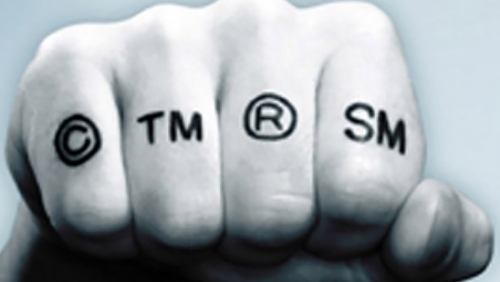
Businesses spend a lot of time and money fretting over patent issues, but perhaps the concept of intellectual property as a whole needs to be re-examined.
Starbucks CEO Howard Schultz's request that customers leave their guns at the door puts his company -- and by extension, his employees and franchisees -- behind this political issue.
Starbucks CEO Howard Schultz wrote an open letter to customers saying the presence of weapons in its stores is 'unsettling and upsetting' to too many of its customers.