
Planet Pioneers: Nature Positive Entrepreneurs are Heading to Abu Dhabi's IUCN World Conservation Congress "Such gatherings do more than set agendas - they ignite innovation and motivate entrepreneurs to create solutions for today's environmental crises."
By Karim Haggar
Opinions expressed by Entrepreneur contributors are their own.
You're reading Entrepreneur Middle East, an international franchise of Entrepreneur Media.

Our planet is facing unprecedented pressures. Industrialization and unchecked human expansion have triggered what scientists call the triple planetary crisis: climate change, biodiversity loss, and widespread pollution - ushering in the sixth mass extinction.
The latest Living Planet Report (2024) reveals a staggering 73% decline in monitored wildlife populations since 1970, with freshwater species suffering 85% declines. Meanwhile, over 75% of Earth's land surface is now degraded, and our oceans face mounting threats from pollution, overfishing, and acidification - exemplified by record sargassum blooms in 2025 that smothered shorelines from West Africa to the Caribbean.
Our economies and societies are fundamentally intertwined with nature through ecosystem services - from carbon sequestration and pollination to clean air and water. If current trends continue, we risk ecological collapse with catastrophic consequences.
Yet awareness is growing, reinforced by major environmental conventions and global gatherings. The Middle East, having hosted recent COP summits, is now preparing to welcome the IUCN World Conservation Congress in Abu Dhabi. Such gatherings do more than set agendas - they ignite innovation and motivate entrepreneurs to create solutions for today's environmental crises.
A new wave of nature-positive entrepreneurs is rising to the challenge: some taking direct action through nature-tech and conservation innovations, others transforming high-impact industries like agriculture and construction. Alongside them, investors are recognizing the opportunity, with many funds expanding into nature and biodiversity.
This article explores these emerging nature-positive businesses and NGOs, highlighting Middle East examples and growth opportunities. Most will share their solutions at the IUCN Congress in Abu Dhabi, October 8-15.
DIRECT NATURE CONSERVATION SOLUTIONS AND TECH
The first group of entrepreneurs heading to Abu Dhabi are those providing direct solutions and tech for nature conservation and restoration, falling into three categories: 1) protecting and restoring ecosystems through science, policy and finance, 2) tackling pollution and waste for nature restoration, and 3) providing enabling tech for conservation and restoration.
Protecting and restoring ecosystems through science, policy and finance
Altyn Dala Conservation Initiative, winner of the 2024 Earthshot Prize in the Protect and Restore Nature category, is a partnership enabling protection and restoration of vast areas of steppe grassland and wetland ecosystems across Kazakhstan. The partnership's achievements include the remarkable recovery of saiga antelope, successful reintroduction of the Przewalski's horse, and securing 5 million hectares of protected areas, creating rural jobs and nature tourism opportunities. Alyona Krivosheyeva and Mark Day, from their leadership team, will share their story at the IUCN Congress. AvayeBoom Bird Conservation Society in Iran, a finalist in the IUCN Changemakers program, advances bird conservation and awareness.
In marine restoration, Dr. Ulrike Pfreundt of Rrreef (Switzerland), whom I met at COP16, explained how her business uses "3D printed bricks made of burnt clay" to revive coral reefs, aiming to restore "1% of coastal coral reefs by 2034." Archireef (Hong Kong) provides similar solutions and recently opened an Abu Dhabi office.
Startups tackling invasive species include Inversa (US), which removes lionfish, pythons, and dragonfin carp, transforming them into luxury leather while restoring ecosystems. SOS Carbon (Dominican Republic), founded by MIT graduate Andrés Bisonó León, addresses sargassum overwhelming Caribbean coasts. As Andrés explained: "SOS Carbon harvests seaweed from the coastline before it invades the beaches, leveraging local talent and existing infrastructure. The biomass is then processed and turned into commercial products - ranging from plastic alternatives and cosmetics to agricultural bio-inputs such as biostimulants."
 Dominican Republic-based SOS Carbon tackles sargassum by harvesting seaweed before it reaches Caribbean beaches. Image courtesy SOS Carbon
Middle Eastern innovations lead this space. Ocean Revive, based at KAUST in Saudi Arabia, focuses on coral restoration. Co-founder Sebastian Schmidt-Roach explains their advantage: "Ocean Revive provides a patented BlueTech solution with streamlined workflows for coral nurseries and up to 30 times faster out-planting." Their strongest demand comes from "regenerative tourism projects looking to develop thriving diving experiences."
Goumbook, a UAE-based NGO advancing sustainability, has launched the bold MENA Oceans Initiative for ocean conservation and restoration in the region, which will host its own summit during the Congress.
Some enterprises focus on innovative funding schemes to protect biodiversity. Savimbo, Colombia-based and developer of the first certified biodiversity credits sold on international markets, is co-founded and co-owned with Indigenous community leaders. The company works with these communities to conserve rainforest using indicator species like the jaguar. CEO and co-founder Drea Burbank emphasizes: "We hope to build stronger partnerships with NGOs and philanthropists, in particular with the IUCN, to catalyse the biodiversity credit market."
The Landbanking Group (Germany) has created an innovative valuation and funding model for nature through its Verified Nature Units (developed with African Parks), which it will showcase at the upcoming IUCN Congress.
UAE-based startup, Blue Forest, launched in 2021, has become a global mangrove restoration leader. Founder Vahid Fotuhi notes: "We're currenting implementing Africa's largest coastal restoration initiative in Mozambique. That project will generate 15 million blue carbon credits that adhere to the highest international standards for climate, biodiversity and community projects." Beyond Mozambique, Blue Forest is also developing projects in West Africa, Vietnam and Indonesia spanning over 250,000 hectares – an area 3 times the size of New York City.
 UAE-based Blue Forest is currently implementing Africa's largest coastal restoration initiative in Mozambique. Image courtesy Blue Forest
Meanwhile, private land conservation and leasing models are enabling broader participation in direct nature protection, showing that innovative finance and entrepreneurship are essential to scaling restoration solutions.
Providing enabling tech for conservation and restoration
A fast-growing group of nature-positive businesses are those providing enabling tech to support conservation and restoration, working with both the conservation sector and industry. In a recent discussion, Benjamin Barca from NatureMetrics, explained how the company is collaborating with IUCN to accelerate Red List updates. NatureMetrics will also run workshops on this at the IUCN Congress in Abu Dhabi.
EarthAcre is a Kenya-based company that developed a digital platform to help communities protect and restore biodiversity on their lands. By tracking consent, land ownership, and ecosystem health, it enables traceable payments and creates new income opportunities through nature-based assets and markets."As a member of the Maasai community, I know the local perspectives and concerns firsthand - that trust shapes our platform," says EarthAcre co-founder Patita Nkamunu.
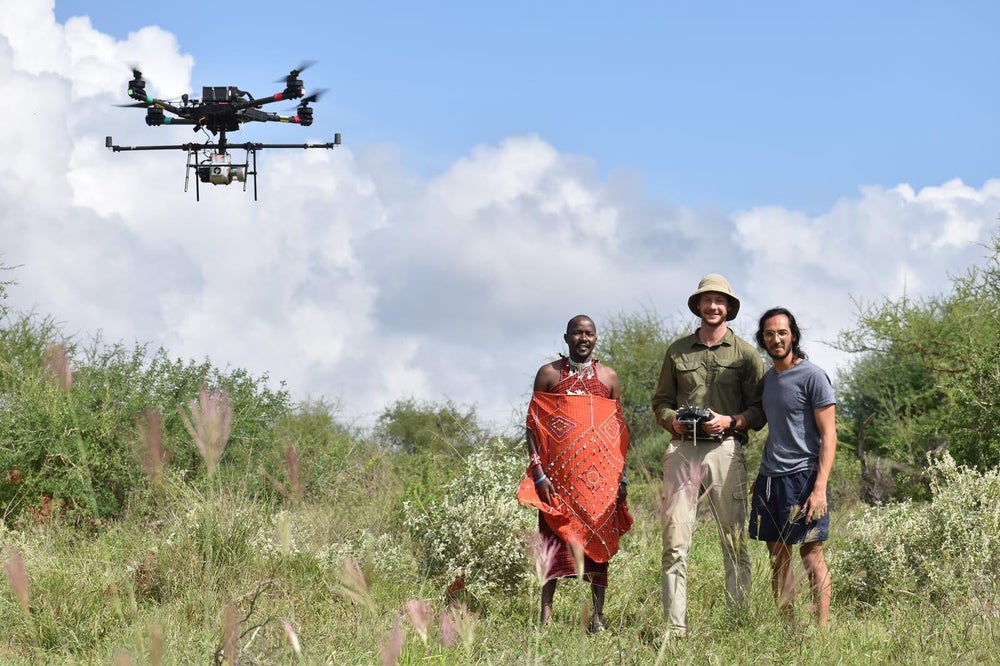 Kenya-based EarthAcre is a digital platform to help communities protect and restore biodiversity on their lands. Image courtesy EarthAcre
Earth5R (India), founded by Saurabh Gupta, is a UNESCO-recognized environmental organization pioneering a "Sustainability as a Service" (SaaS-X) platform that addresses both climate and biodiversity. Saurabh notes: "Having mobilized over 1.2 million farmers and 1.3 million citizens across 65 countries, Earth5R's technology promotes citizen science to rejuvenate ecosystems like urban rivers, rewards farmers for regenerative practices, and incentivizes eco-friendly behaviors through corporate partnerships."
In the UAE, Nabat, a venture born out of Abu Dhabi's Advanced Technology Research Council (ATRC), develops AI and autonomous robotics for precision monitoring and restoration, particularly of mangrove ecosystems. "Nabat not only provides tools for monitoring and reporting, but also supports clients in implementing restoration strategies," explained Mehdi Ajana, Head of Strategy. Nabat will showcase its solutions at the IUCN Congress.
Another player is 4EI (4 Earth Intelligence), a UAE-founded company operating in the GCC and UK. Founder and CEO David Critchley describes their work as: "combining earth observation data with AI-driven analytics to deliver actionable intelligence." CTO Jonathan Hendry will be presenting their recent work on the UAE's natural capital project at the Congress.
Tackling pollution for nature restoration
Other organizations focus on tackling pollution to reverse the ecological crisis. For example, Clean Rivers, a foundation launched in 2024 in Abu Dhabi, focused on addressing global challenges at the nexus of waste and water. Its mission is to prevent waste leakage and pollution across the land-to-sea continuum while supporting the lives and livelihoods of riverine communities. CEO Deborah Backus explains: "Clean Rivers is a funder and convener, working with local communities, implementers and governments to drive systems change that tackles waste mismanagement and its cascading impacts on people and planet. To date, we have already committed up to $60 million in Indonesia, the Philippines and Brazil." She will also take part in the IUCN Congress, particularly its Philanthropy Summit with Erth Zayed Philanthropies under which Clean Rivers is an affiliated organization.
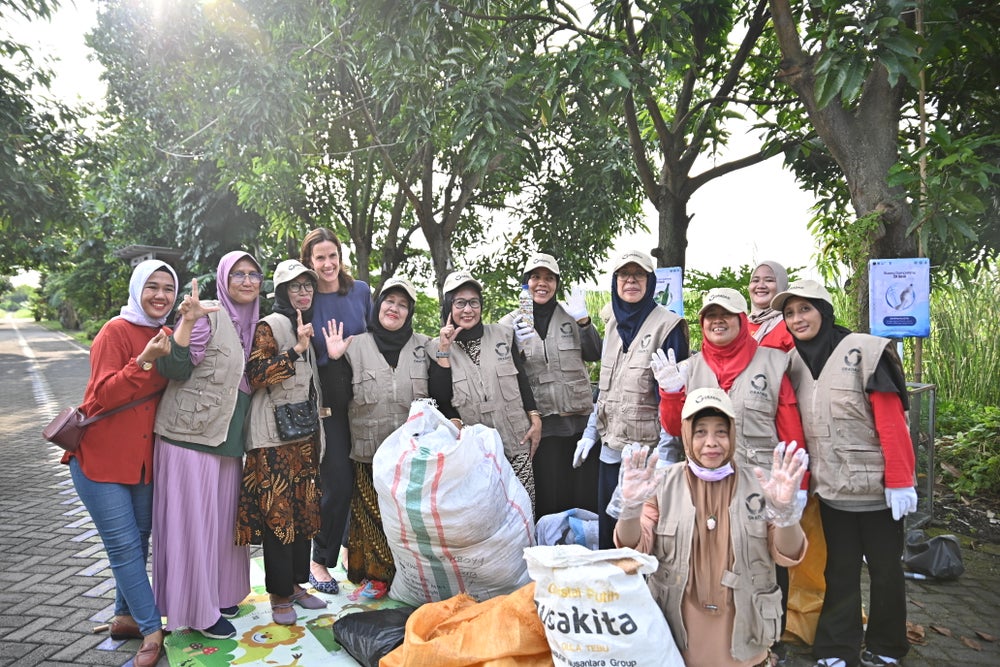 UAE-based Clean Rivers prevents waste leakage and pollution across the land-to-sea continuum. Image courtesy Clean Rivers
In the Middle East, plastic pollution is one of the most urgent environmental crises. Egypt, for example, Africa's largest plastics producer (about 60% of the continent's output), is also a leading source of marine litter, contributing a considerable share of plastics entering the Mediterranean. A significant portion of this comes through the Nile, the country's lifeline, which is increasingly burdened by waste leakage along its course.
In response, local initiatives like VeryNile, Banlastic, and Plstka mobilize communities, promote recycling, and raise awareness about single-use plastics. International players are active too: Plastic Bank, a Canadian social enterprise pioneering "social plastic," has operated in Egypt for nearly five years, creating income for waste collectors while cutting leakage into rivers and seas. Enaleia, a Greek nonprofit, works with fishers in the Mediterranean to remove marine litter and integrate plastics into circular economy supply chains. But true progress will require addressing the problem where it begins: upstream in production and consumption.
TRANSFORMING HIGH-IMPACT INDUSTRIES
The second group of nature-positive businesses is transforming industries with high environmental impacts. Here, we highlight businesses in three areas: 1) regenerative agriculture, 2) sustainable alternatives to plastics, and 3) green and biophilic design and construction.
Regenerative agriculture
Kelp Blue, winner of the 2023 Zayed Sustainability Prize for Climate Action, operates the world's first large-scale giant kelp farm off Namibia. Its biostimulants support regenerative agriculture while promoting marine biodiversity. UN Champion of the Earth, Sekem, is Egypt's leading regenerative agriculture player. It was the first company to issue carbon credits (Gold Standard) for biodynamic farming. Its founder and CEO, Helmy Aboueish, notes: "Sekem's economy of love helps farmers transition to regenerative agriculture and gain additional revenues through carbon credits and PES."
The Waste Lab, UAE-based, supports regenerative agriculture through composting and circularity. Cofounder and CEO Lara Hussein adds: "Our compost supports soil biodiversity, translating into healthy, productive soils." Herou Alliance, a Mali-based agroforestry business led by Rokiatou Traore, plants moringa trees to restore degraded land and make nature-based products, creating local livelihoods - a vision she shared with me at COP28 in Dubai. Other emerging players include Commonland, Farmland LP, and AgTech solutions like InSoil, Agreena, and Biome Makers.
Today, regenerative agriculture covers roughly 15% of global cropland; this must triple by 2030 to meet planetary biodiversity and climate goals.
Sustainable alternatives to plastics
Plastics remain a major driver of biodiversity loss, particularly in rivers and oceans. Ocean plastics alone are estimated to cost up to $2.5 trillion per year in lost ecosystem services. Plastics also generate around $1.5 trillion in health-related costs annually.
Sway, California-based, develops compostable materials for hard-to-recycle plastics using seaweed as a key ingredient across its product portfolio. CEO & Co-Founder Julia Marsh explains: "Using red and brown seaweed like kelp, gracilaria, and sargassum, we can match and even beat conventional plastic performance, while regenerating marine ecosystems."
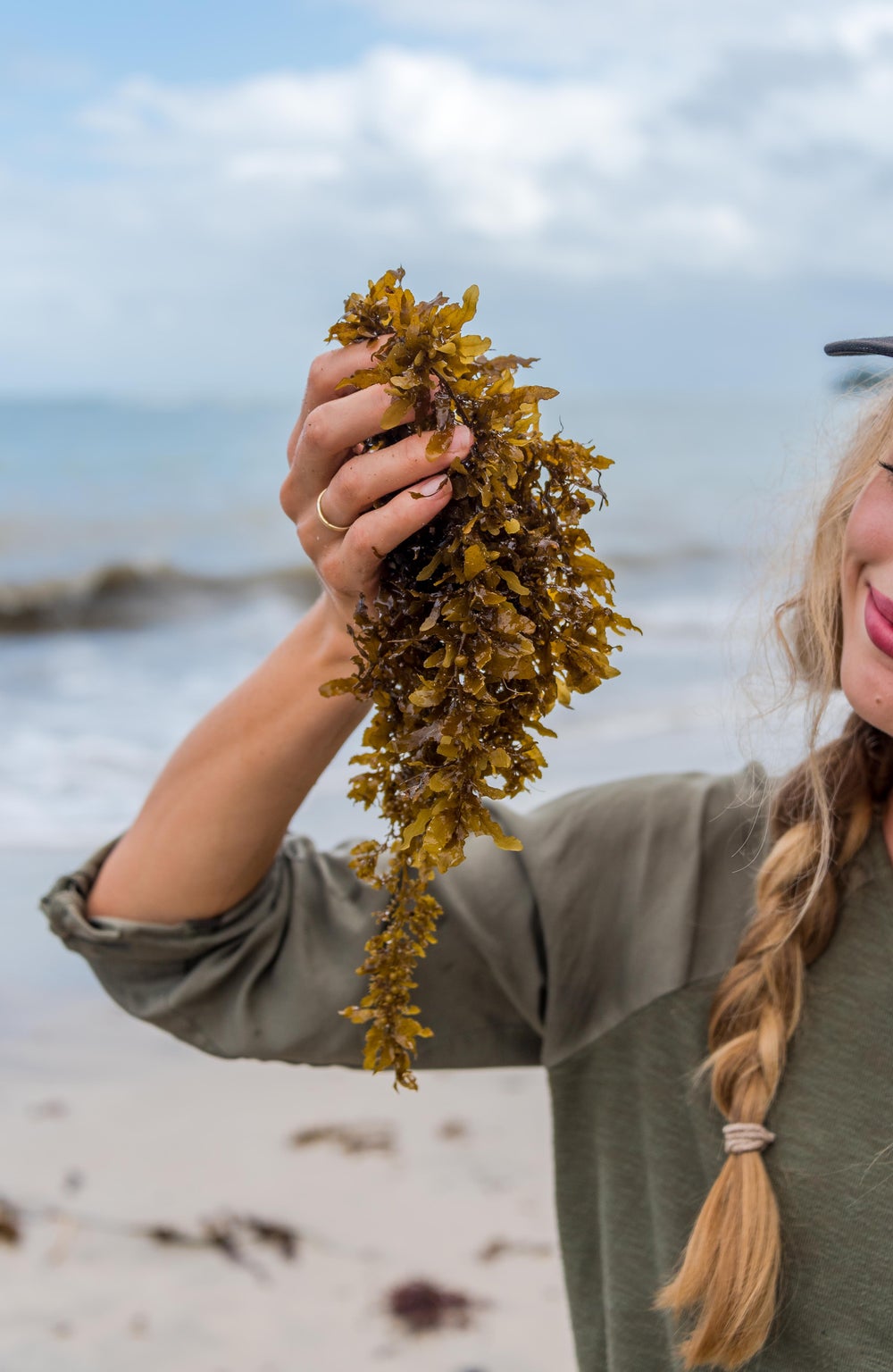 California-based Sway develops compostable materials for hard-to-recycle plastics using seaweed. Image courtesy Sway
Notpla (UK) also makes biodegradable seaweed-based packaging and won the 2022 Earthshot Prize in the 'Build a Waste-Free World' category. In the Middle East, Palmade (UAE) produces biodegradable cutlery from date-palm waste. Co-founder Lamis Al Hashimy emphasizes using certified products, as many alternatives aren't fully compostable.
Polymeron, based at KAUST, Saudi Arabia, converts agricultural waste into biodegradable plastics. CEO Rodrigo Jiménez Sandoval stresses: "The region needs stricter regulations to phase out single-use plastics. Abu Dhabi is leading with its Single-Use Plastic Policy, and we hope others follow."
Green and biophilic design and construction
As the adage goes, 90% of a product or project's environmental footprint is set in its design. Innovative architecture, construction, and landscaping firms are taking this to heart.
Natureza Urbana (Brazil) works in both protected and urban areas worldwide and will showcase its projects at the IUCN Congress. Founder Pedro Lira notes: "Sustainable construction solutions are often perceived as costly, although many can be more economical with the right design and strategic use of resources. There is also strong growth in demand, creating unique opportunities for specialized players in the market, including in areas such as ecotourism."
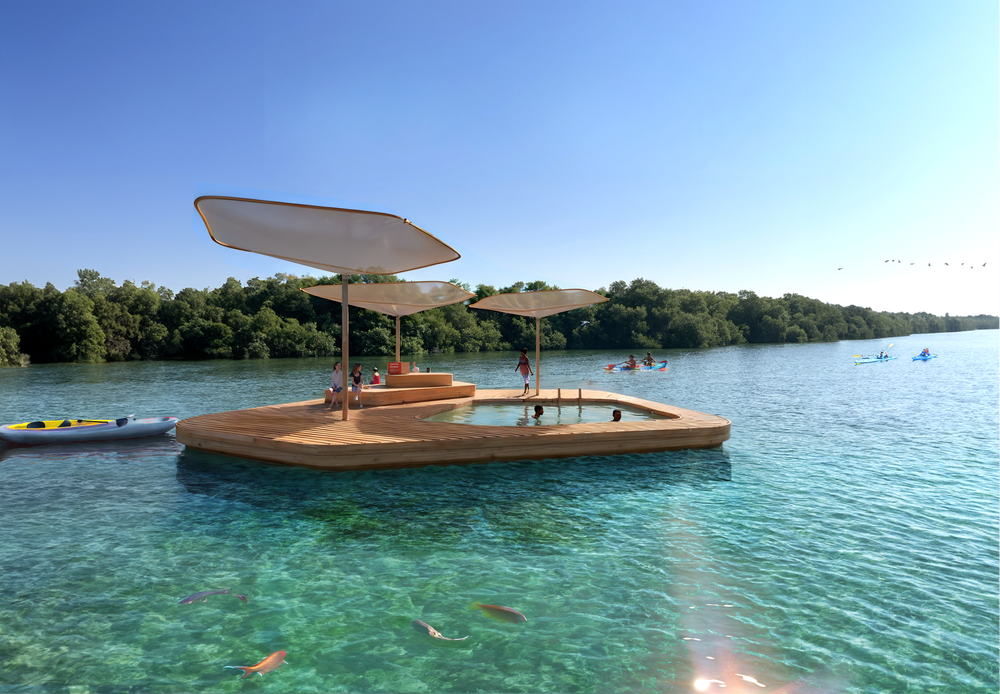 Brazil-based Natureza Urbana works in both protected and urban areas worldwide. Image courtesy Natureza Urbana
IUCN Changemakers finalist, Ecodome Maroc, focuses on rural eco-construction using natural materials in Morocco. Thrive Lot (US) converts backyards into edible, pollinator-friendly garden ecosystems. As ecologist Doug Tallamy puts it: "Every little bit of habitat helps," highlighting the impact of even small changes in our backyards.
Other sectors, like education and advocacy, are also innovating. Elyx Foundation (France) and Greenish Foundation (Egypt) will be present at the Congress. At the Congress, Elyx will run the Archipel exhibition, an immersive experience telling stories that inspire new forms of coexistence between humans and biodiversity.
A NEW ERA FOR NATURE POSITIVE BUSINESS
The signs are clear: the market is shifting, opening unprecedented opportunities for visionary entrepreneurs. AI and tech solutions for conservation are advancing rapidly, climate and biodiversity are increasingly intertwined, and frameworks like the KMGBF, TNFD, and emerging regulations are embedding nature into business decision-making.
Kevin Webb, co-founder of Superorganism, a VC focused on biodiversity, observes: "Now is a great time to invest in nature-positive startups. Measurement technologies are ripe, nature-based solutions are proving effective, and policy developments are creating direct market opportunities."
The upcoming IUCN World Conservation Congress in Abu Dhabi, held every four years, is a pivotal moment to forge partnerships, scale innovation, and shape the future of business in harmony with nature. For those bold enough to envision it, the nature-positive economy is not just possible - it is the next frontier of opportunity.


